
When it comes to construction in earthquake-prone regions, ensuring the safety of buildings is paramount. At Maithan Steel, we believe that strength is more than just a feature; it’s a responsibility. With the philosophy “Strong ki suno, Strong hi chuno,” we advocate for using the highest quality materials, so structures can withstand natural disasters. Here are our top tips to make buildings more resistant to earthquakes, ensuring the safety of families and communities.
Earthquake-Resistant Construction
Earthquake-resistant construction does not mean that a building will never be damaged during a powerful earthquake. Instead, it means that the structure is designed to absorb seismic energy, remain stable, and prevent sudden collapse.
The key principle is flexibility combined with strength. Buildings that are too rigid tend to crack and collapse under stress, while structures that can flex slightly are better able to dissipate the energy of seismic waves.
Proper planning, quality materials, and advanced structural engineering are the pillars of earthquake-resistant construction.
1. Start with Proper Structural Design
The first step in building earthquake-resistant structures is smart structural design.
Architects and structural engineers must carefully plan the building layout to ensure stability during seismic movements. Some key design principles include:
- Symmetrical building shapes
- Balanced load distribution
- Proper column and beam placement
- Avoiding excessive height without structural support
Irregular shapes, uneven weight distribution, and poorly designed layouts increase the risk of structural failure during earthquakes.
A well-designed structure provides the framework that allows the building to move safely with seismic forces instead of resisting them rigidly.
2. Use High-Quality TMT Bars
Reinforcement steel plays a critical role in earthquake-resistant construction. Buildings rely on steel reinforcement to absorb stress, maintain flexibility, and prevent cracks from spreading.
High-quality TMT bars offer several advantages during seismic activity:
- Higher tensile strength
- Improved ductility
- Better shock absorption
- Strong bonding with concrete
Maithan Steel TMT bars are engineered using advanced thermo-mechanical treatment processes that enhance both strength and flexibility. These properties allow the steel to withstand intense stress without sudden breakage, making it ideal for structures in earthquake-prone regions.
When it comes to safety, choosing the right steel reinforcement is one of the most important decisions in construction.
3. Build a Strong Foundation
A building’s ability to resist earthquakes depends heavily on its foundation.
A weak foundation can cause uneven settlement, cracks, and eventual collapse during seismic movement. A properly designed foundation should:
- Be deep enough for soil stability
- Distribute structural loads evenly
- Anchor the building securely to the ground
Soil testing is essential before construction begins. Engineers analyze soil conditions to determine the best foundation type for the structure.
Strong foundations combined with reliable reinforcement materials create the first line of defense against earthquakes.
4. Reinforce Beams, Columns, and Joints
Beams, columns, and joints are the core structural elements that hold a building together.
During earthquakes, these parts experience intense stress as the structure moves. Proper reinforcement ensures that the building maintains its integrity even during strong tremors.
Key reinforcement practices include:
- Adequate steel reinforcement in beams and columns
- Strong column-beam connections
- Shear reinforcement to prevent cracking
- Proper anchoring of steel bars
Using premium TMT bars like those from Maithan Steel ensures better load distribution and higher resistance to seismic stress.
5. Maintain Structural Flexibility
Flexibility is one of the most important characteristics of earthquake-resistant buildings.
Structures that can slightly bend or sway during seismic movement are less likely to collapse. This flexibility helps absorb and dissipate the energy generated by earthquakes.
Materials with high ductility, such as quality reinforcement steel, are essential for achieving this flexibility.
Advanced steel manufacturing techniques used by Maithan Steel help deliver the perfect balance between strength and ductility, enabling structures to withstand extreme conditions.
6. Ensure Strong Concrete-Steel Bonding
Concrete and steel must work together to create a strong structural system.
If the bonding between steel reinforcement and concrete is weak, the structure may lose stability during seismic movement.
High-quality TMT bars provide superior rib patterns and surface texture that improve bonding strength with concrete. This stronger bond ensures that the structure behaves as a unified system under stress.
Better bonding also improves durability and load-bearing capacity over the long term.
7. Avoid Soft Storeys
A soft storey is a floor that has significantly less structural strength than the floors above it.
This often happens when the ground floor is designed for parking or open commercial space without adequate structural support.
During earthquakes, soft storeys are extremely vulnerable and may collapse first, causing the entire building to fail.
To prevent this, engineers must ensure proper reinforcement and structural support in every floor, especially the ground level.
8. Install Shear Walls
Shear walls are vertical structural elements designed to resist lateral forces caused by earthquakes.
These walls act like strong spines within the building, helping it remain stable during seismic movement.
Shear walls are commonly used in high-rise buildings and large structures to improve earthquake resistance.
Properly reinforced shear walls significantly reduce structural damage during strong tremors.
9. Follow Seismic Building Codes
Government regulations and building codes are designed to ensure safety in earthquake-prone regions.
Following these codes is not optional—it is essential.
Seismic building codes define:
- Minimum structural strength requirements
- Reinforcement standards
- Construction practices
- Safety guidelines
Builders and contractors must strictly follow these standards to ensure the building’s resilience during earthquakes.
Using trusted materials like Maithan Steel TMT bars helps meet these safety requirements and ensures compliance with construction standards.
10. Regular Inspection and Maintenance
Even the strongest buildings require periodic inspection and maintenance.
Over time, environmental factors such as corrosion, moisture, and structural wear can weaken materials.
Regular inspections help identify potential weaknesses early, allowing timely repairs and reinforcement.
Maintenance ensures that buildings remain safe and durable throughout their lifespan.
The Role of Quality Steel in Earthquake Safety
Steel reinforcement is one of the most important components in earthquake-resistant construction. It provides the strength and flexibility needed to withstand seismic stress.
Maithan Steel is committed to delivering high-performance TMT bars that meet the demands of modern construction. Our products are engineered using advanced manufacturing processes that ensure:
- High tensile strength
- Superior ductility
- Excellent bonding with concrete
- Long-term durability
- Reliable earthquake resistance
These qualities make Maithan Steel a trusted choice for builders, engineers, and contractors across India.
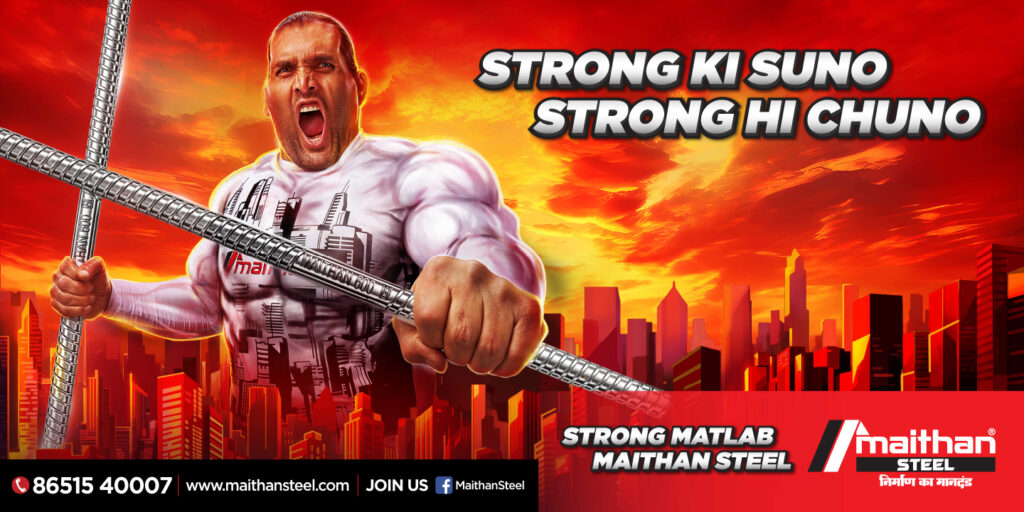
Strong ki Suno, Strong Hi Chuno
When constructing buildings that must stand strong against natural forces, compromise is not an option.
Choosing the right materials is the foundation of safe construction. With scientifically engineered products and strict quality control, Maithan Steel provides the strength that modern buildings demand.
Our philosophy “Strong ki Suno, Strong Hi Chuno” encourages builders and homeowners to listen to the voice of strength and choose materials that ensure safety, durability, and reliability.
Because when it comes to protecting homes and lives, strength is everything.
Conclusion
Earthquake-resistant construction is not just about engineering—it is about responsibility. By following proper design practices, reinforcing structures effectively, and using high-quality materials, we can significantly reduce the risks posed by earthquakes.
From strong foundations and flexible structures to reliable reinforcement steel, every element of construction plays a vital role in ensuring safety.
With trusted materials from Maithan Steel, builders can create structures that stand strong even in the face of nature’s toughest challenges.
Because when strength speaks, the right choice is clear.
Strong ki Suno. Strong Hi Chuno. Maithan Steel Hi Chuno.