When planning any construction project, whether it is a residential building, commercial complex, industrial facility, or infrastructure project, one of the most important materials that directly impacts the overall budget is the TMT bar. TMT bars form the backbone of modern construction, providing the strength and durability required to support structures for decades. Because of their critical role, buyers often pay close attention to TMT bar prices and frequently wonder why these prices change from time to time.
The reality is that TMT bar pricing is influenced by a combination of technical, economic, industrial, and market-related factors. The price you see in the market is not determined by a single element but by a chain of interconnected factors that affect production, transportation, demand, and supply. Understanding these factors can help builders, contractors, architects, and homeowners make informed purchasing decisions and choose products that offer both quality and value.
As one of India’s trusted steel manufacturers, Maithan Steel believes in empowering consumers with accurate information and industry insights. By understanding how TMT bar prices are determined, buyers can better evaluate market trends and make decisions that contribute to the long-term success of their construction projects.
The Foundation of Pricing Begins with Raw Materials
Every TMT bar starts its journey with raw materials. Iron ore, sponge iron, billets, and steel scrap are among the primary materials used in steel manufacturing. Since these materials form the basis of production, their prices have a direct impact on the final cost of TMT bars.
When the cost of iron ore increases due to higher demand, mining restrictions, transportation issues, or supply shortages, steel manufacturers experience a rise in production expenses. Similarly, fluctuations in the prices of sponge iron and billets can significantly influence manufacturing costs.
The quality of raw materials also plays an important role. Manufacturers that prioritize premium-grade raw materials often produce stronger and more reliable TMT bars. While this may result in slightly higher production costs, it also ensures superior product performance and enhanced structural safety. Companies like Maithan Steel focus on maintaining high-quality standards from the very beginning of the manufacturing process, ensuring that every TMT bar delivers dependable performance.
Manufacturing Technology Influences Product Value
The manufacturing process used to produce TMT bars has a substantial impact on pricing. Modern steel plants require advanced machinery, sophisticated automation systems, and highly skilled technical expertise to manufacture high-quality TMT bars.
The production of TMT bars involves multiple stages, including billet preparation, rolling, thermo-mechanical treatment, cooling, and quality testing. Each of these stages requires precision and significant investment in technology.
Manufacturers that use advanced steel-making technologies often incur higher operational costs, but they also produce TMT bars with superior strength, flexibility, and durability. These enhanced characteristics contribute to better performance in construction projects.
Maithan Steel utilizes advanced Concast & Thermex HYQST European Technology, which helps produce TMT bars with excellent mechanical properties and long-term reliability. While advanced manufacturing technology contributes to production costs, it also ensures that customers receive products capable of meeting demanding structural requirements.
Energy Consumption Plays a Major Role
Steel manufacturing is one of the most energy-intensive industrial processes in the world. Large quantities of electricity, coal, and other energy resources are required to operate furnaces, rolling mills, cooling systems, and production equipment.
Any increase in electricity tariffs or fuel prices can directly affect manufacturing expenses. Since energy costs account for a significant portion of overall production costs, fluctuations in the energy market often influence TMT bar prices.
Manufacturers continuously invest in energy-efficient systems and sustainable production methods to optimize costs. However, changes in energy prices remain an important factor in determining steel pricing across the industry.
Market Demand and Construction Activity Affect Prices
The construction industry is one of the largest consumers of TMT bars. Whenever construction activity increases, demand for steel products rises accordingly.
Large-scale infrastructure projects, urban development programs, housing initiatives, and industrial expansion create strong demand for TMT bars. During periods of rapid growth, manufacturers may experience increased order volumes, which can influence market pricing.
Similarly, when demand slows due to economic conditions or reduced construction activity, price movements may stabilize. The balance between demand and supply remains one of the most important factors affecting TMT bar prices.
As economies continue to develop and governments invest in infrastructure modernization, demand for high-quality steel products remains strong, contributing to ongoing market fluctuations.
Transportation Costs Add to Final Pricing
Unlike lightweight consumer products, TMT bars are heavy and require specialized transportation. Moving steel products from manufacturing plants to distributors, dealers, and construction sites involves considerable logistics expenses.
Fuel costs play a major role in transportation pricing. Whenever diesel and fuel prices increase, freight charges often rise as well. In addition, transportation distance significantly affects final costs.
Construction projects located closer to manufacturing facilities may benefit from lower transportation expenses, while projects located farther away often incur higher logistics costs. Road conditions, freight availability, and regional transportation infrastructure can also influence pricing.
A strong distribution network helps manufacturers deliver products efficiently and minimize delays. With an extensive network of channel partners across India, Maithan Steel ensures reliable product availability and efficient distribution throughout the country.
Government Policies Influence Steel Pricing
Government regulations and policies have a direct impact on the steel industry. Tax structures, environmental regulations, import duties, export policies, and industrial development initiatives all influence manufacturing and distribution costs.
Changes in GST rates, compliance requirements, or environmental standards may increase operational expenses for steel manufacturers. Similarly, government investments in infrastructure projects can boost demand for TMT bars, influencing market pricing.
Policy decisions related to mining, transportation, and energy sectors can also indirectly affect steel production costs. As a result, manufacturers continuously monitor regulatory developments to adapt to changing market conditions.
Quality Standards and Certification Requirements
High-quality TMT bars undergo extensive testing and quality assurance procedures before reaching customers. Manufacturers must invest in laboratories, inspection systems, and certification processes to ensure compliance with industry standards.
These quality assurance measures contribute to production costs but provide significant benefits to consumers. Certified TMT bars offer greater consistency, improved performance, and enhanced structural safety.
For construction projects where safety and longevity are priorities, choosing certified products is often a wise investment. Although certified TMT bars may carry a slightly higher price tag, they frequently deliver better value over the lifespan of the structure.
Global Market Trends Have an Impact
The steel industry operates within a global marketplace, and international developments can influence domestic TMT bar prices.
Changes in global steel demand, fluctuations in raw material prices, currency exchange rates, and international trade policies all affect the overall cost structure of steel manufacturing.
For example, rising global demand for steel can increase the cost of raw materials, while supply disruptions in major producing countries can affect availability and pricing worldwide. Even manufacturers focused on domestic markets may experience cost variations due to global economic conditions.
Understanding these broader market influences helps explain why steel prices sometimes change even when local demand remains stable.
Brand Reputation Adds Long-Term Value
The reputation of a steel manufacturer also contributes to product pricing. Established brands invest heavily in research, technology, quality control, customer service, and distribution networks.
These investments create value for customers by ensuring consistent product performance and dependable service. Buyers often prefer trusted manufacturers because they offer confidence in product quality and structural reliability.
Maithan Steel, with its legacy of excellence and commitment to innovation, has earned the trust of customers across India by consistently delivering premium-quality steel products. This reputation is built on decades of experience, advanced manufacturing capabilities, and an unwavering focus on customer satisfaction.
Why Quality Matters More Than the Lowest Price
When purchasing TMT bars, many buyers focus solely on obtaining the lowest available price. However, construction projects are long-term investments, and choosing inferior-quality materials can lead to costly consequences in the future.
High-quality TMT bars contribute to stronger structures, improved earthquake resistance, better corrosion protection, and longer service life. These benefits often outweigh any short-term savings achieved by purchasing lower-cost alternatives.
A reliable TMT bar provides the foundation for structural safety and durability. Therefore, buyers should evaluate not only the market price but also the manufacturing process, quality standards, certifications, and reputation of the manufacturer.
Conclusion
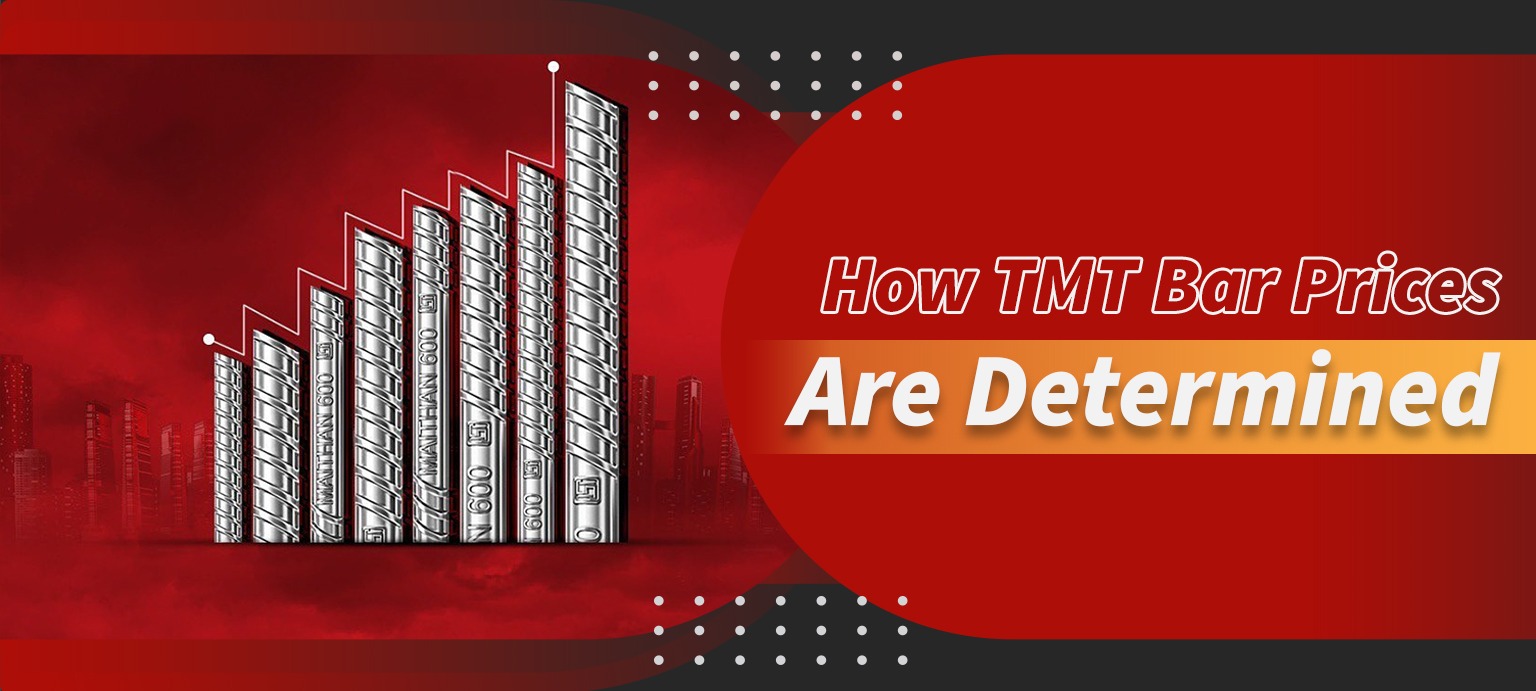
TMT bar prices are determined by a complex combination of factors, including raw material costs, manufacturing technology, energy expenses, transportation charges, market demand, government regulations, quality standards, and global industry trends. Each of these elements contributes to the final price that customers see in the market.
Understanding these factors allows builders, contractors, and homeowners to make informed decisions and choose products that offer the best balance between cost and quality.
Maithan Steel remains committed to providing customers with transparent information, superior products, and expert guidance. Manufactured using advanced Concast & Thermex HYQST European Technology, Maithan TMT Bars deliver exceptional strength, durability, and reliability, making them a trusted choice for modern construction projects.
When evaluating TMT bar prices, it is important to remember that true value lies not only in the cost of the product but also in its ability to provide long-term safety, performance, and peace of mind. A strong structure begins with high-quality steel, and investing in the right TMT bars today can help ensure a secure future for generations to come.